
Canada offers some of the strongest legal protections for LGBTQ+ individuals in the world. If you’re facing discrimination, considering moving here, or simply want to understand what the law guarantees you, here’s what you need to know: federal and provincial human rights legislation explicitly protects you from discrimination based on sexual orientation, gender identity, and gender expression in employment, housing, services, and public spaces.
The foundation of these protections is the Canadian Human Rights Act, which covers federally regulated workplaces and services. Provincial human rights codes extend these safeguards to most everyday situations you’ll encounter, from renting an apartment to accessing healthcare. British Columbia, for instance, has aligned its Human Rights Code with federal legislation to ensure gender identity and expression are explicitly protected grounds.
But knowing your rights exist and knowing how to use them are two different things. The Gender Equality Week Act, passed in 2018, acknowledged that LGBTQ+ Canadians, particularly transgender women from visible minority groups, still face isolation, vulnerability, and violence despite legal progress. That gap between law and lived experience means understanding not just what protections you have, but exactly when they apply, how to document discrimination, and what steps to take when your rights are violated. This guide walks you through the practical process of exercising those rights.
What You Need to Know Before Asserting Your Rights
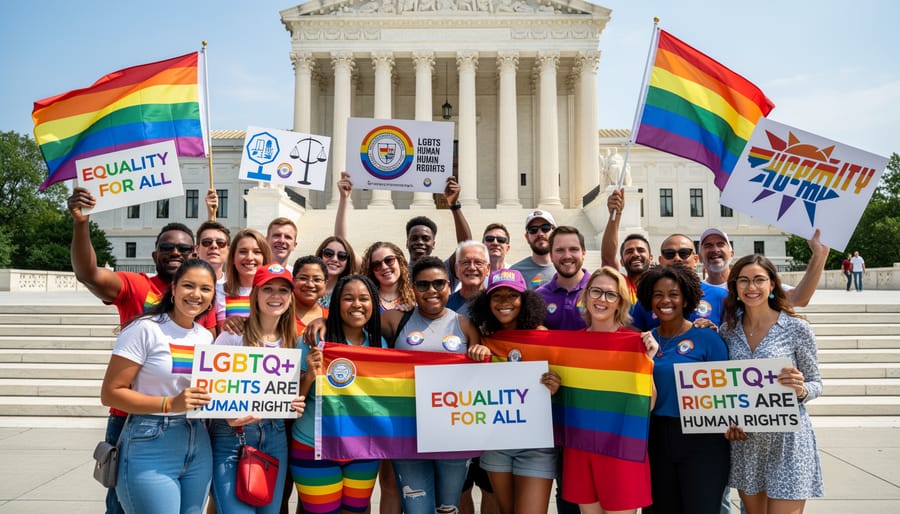
Protected Grounds Under Canadian Law
Canadian law explicitly protects you from discrimination based on several key characteristics. At the federal level, the Canadian Human Rights Act includes sexual orientation as a protected ground, and amendments add gender identity and gender expression to that list. This means employers, landlords, and service providers cannot legally treat you differently because of who you are or how you express your gender.
Provincial and territorial human rights codes mirror these protections, though they’ve evolved at different speeds. British Columbia, for instance, amended its Human Rights Code to include gender identity and expression among protected grounds, aligning with federal legislation and making clear that such discrimination is unacceptable. Other provinces have made similar updates, creating a patchwork of protections that now covers most of Canada.
These protections matter beyond the legal text. The Gender Equality Week Act, assented on June 21, 2018 acknowledges what many LGBTQ+ Canadians already know: those confronting issues related to gender identity and sexual orientation may experience isolation, vulnerability, and violence. The Act specifically recognizes that transgender women in visible minority groups face heightened risks.
Protection often extends to related characteristics too. Discrimination cases can involve multiple grounds at once, sexual orientation paired with age, marital status, family status, or disability. This intersectional approach reflects reality: your identity isn’t one-dimensional, and neither is discrimination.
Knowing these protections exist is your starting point. They cover employment decisions, housing access, public services, and spaces where you simply go about your day. They also extend to accessing gender affirming care without facing barriers based on bias. When someone violates these rights, the law gives you tools to respond.
Understanding What Counts as Discrimination
Discrimination happens when you’re treated unfairly because of who you are. In employment, this might look like being passed over for promotion after coming out, having your pronouns deliberately ignored by managers, or facing hostile comments about your relationship. Housing discrimination includes landlords refusing to rent to same-sex couples, denying applications once they learn you’re transgender, or creating different lease terms based on your identity.
Service discrimination occurs when businesses refuse to serve you, when healthcare providers dismiss your concerns or misgender you repeatedly, or when you’re denied equal access to public facilities like washrooms that align with your gender identity. In public spaces, it can mean being asked to leave a store for displaying affection with a same-sex partner or facing harassment that staff refuse to address.
What makes discrimination particularly complex is that it often doesn’t happen in isolation. You might experience discrimination based on protected grounds that overlap, being denied a job not just because you’re gay, but because you’re a gay person with a disability, or being harassed as both a transgender person and a visible minority. Canadian law recognizes these intersections, protecting you on multiple grounds simultaneously: sexual orientation, gender identity, gender expression, age, marital status, family status, and disability, among others.
Recognizing discrimination means trusting your instinct when treatment feels wrong and documenting what happened, who was involved, and when it occurred. You don’t need to prove intent, what matters is the impact on your rights and dignity.
Important Warnings and Considerations

Before you take action to assert your rights, understand that pursuing a discrimination complaint isn’t just a legal process, it’s an emotional journey that requires careful preparation and support. While Canadian law provides strong protections, exercising those rights comes with practical considerations that can affect your safety, wellbeing, and daily life.
The complaint process can be emotionally exhausting. You’ll need to recount discriminatory incidents multiple times, potentially relive traumatic experiences, and maintain documentation over months or even years. Legal proceedings rarely resolve quickly. From initial filing to final resolution, cases often take a year or longer, depending on jurisdiction and complexity. During this time, you may still be working in the same environment, living in the same housing situation, or accessing the same services where the discrimination occurred.
Documentation is your strongest tool, but gathering evidence can sometimes create new risks. Taking photos, recording conversations, or collecting witness statements in certain settings might escalate conflict or compromise your immediate safety. Assess your situation realistically. If you’re still in an unsafe environment, prioritize your physical and mental wellbeing first.
Jurisdictional limits also matter. Federal human rights protections cover federally regulated workplaces like banks, airlines, and telecommunications companies, while provincial and territorial legislation governs most other situations. Understanding which system applies to your case affects where you file, what procedures you’ll follow, and how long resolution might take.
You don’t have to navigate this alone. Connect with mental health resources, trusted friends, community organizations, or LGBTQ+ support groups before you begin. Having emotional and practical support makes the process more manageable and helps you stay resilient when legal proceedings feel overwhelming.
Step-by-Step: How to Exercise Your Rights

Step 1: Get Free Legal Information and Advice
Before taking formal action, your first move should be connecting with organizations that offer free legal information about human rights complaints. These services exist specifically to help you figure out whether what happened to you qualifies as discrimination under Canadian law.
Start by contacting human rights legal support centers or community organizations serving LGBTQ+ individuals in your province. When you reach out, describe what happened clearly: where the incident occurred, what was said or done, and who was involved. Ask them directly whether your situation falls under protected grounds like sexual orientation, gender identity, or gender expression.
The right questions matter. Ask whether you’re within the time limit to file, which jurisdiction covers your complaint, and what evidence would strengthen your case. Request guidance on documentation, what to keep, what to write down, and how to organize it. These services will tell you honestly if you have grounds to proceed or if another approach makes more sense.
You’re not required to have everything figured out before making contact. Stories like Sally’s story remind us that reaching out for support is often the turning point in understanding your options. Legal information services can clarify whether filing a formal complaint is your best path forward or whether other remedies exist.
Step 2: Prepare and File Your Application
Once you’ve decided to file a complaint, the application itself requires clear, organized information. Most human rights tribunals provide standardized forms, either online or by request, that walk you through what’s needed. You’ll typically need to identify yourself, the respondent (the person or organization you’re filing against), and the protected ground or grounds under which you’re claiming discrimination, such as sexual orientation, gender identity, or gender expression.
The heart of your application is describing what happened. Write out each incident with specific dates, locations, and what was said or done. Avoid vague language; instead of “they treated me unfairly,” explain exactly how: “My supervisor repeatedly used the wrong pronouns after I corrected them, then excluded me from team meetings starting in March 2026.” Include any witnesses, emails, texts, or other evidence that supports your account. If discrimination intersected with other grounds, age, disability, family status, mention that too, because it strengthens your case.
Don’t worry if legal writing feels intimidating. Most tribunals offer guides, sample applications, and phone support to help you complete forms accurately. Community legal clinics and LGBTQ+ advocacy organizations can also review your draft or sit with you while you fill it out. Assistance is available precisely because tribunals recognize that accessing justice shouldn’t require a law degree, just the courage to speak up.
Step 3: Seek Legal Advice on Your Options
Once you’ve gathered information and prepared your application, consulting with a lawyer or legal advocate helps you understand which path forward makes the most sense for your situation. Legal advice at this stage isn’t about committing to a lengthy court battle, it’s about clarity.
A lawyer familiar with human rights cases can explain your realistic options: whether mediation might resolve things quickly, if a formal complaint to the tribunal is warranted, or what a full hearing would involve. They’ll assess the strength of your case based on the evidence you’ve collected and help you understand what outcomes are possible, from apologies and policy changes to financial compensation.
Timeline expectations matter. Human rights processes can take months or even years, depending on the complexity and whether the other party agrees to mediate. A legal advocate will be honest about these realities so you can plan accordingly and decide if pursuing the complaint aligns with your needs and capacity.
Many community legal clinics and LGBTQ+ organizations offer consultations at no cost or on a sliding scale. You don’t need to hire a lawyer immediately, sometimes a single conversation provides enough information to move forward confidently. The goal is making an informed decision about how to proceed, knowing what you’re walking into and what support exists along the way.
Step 4: Request Legal Representation for Mediations and Hearings
If your case moves to mediation or a formal tribunal hearing, you don’t have to navigate it alone. Legal representation can make a significant difference in how effectively you present your evidence and respond to questions. Some human rights legal support centers offer representation services for mediations and hearings, particularly if your case involves complex legal issues or if you’d face difficulty advocating for yourself.
To request representation, contact the legal support center that provided your initial advice and explain that your case is proceeding to mediation or hearing. Ask whether they can assign a lawyer or advocate to represent you, or if they can refer you to someone who can. Not every case will qualify for full representation, centers often prioritize cases with broader legal significance or where applicants face significant barriers, but it’s worth asking.
If representation is available, your advocate will prepare you for the process, help organize your evidence, and speak on your behalf during proceedings. They’ll explain what to expect, from the format of mediation sessions to how tribunal hearings work. Having someone who understands human rights law can relieve much of the stress and help ensure your story is heard clearly and effectively.
Understanding Regional Variations
While federal law sets baseline protections for LGBTQ+ individuals across Canada, each province and territory operates its own human rights system with specific procedures, timelines, and complaint processes. This means the steps for filing a complaint in Ontario differ from those in Alberta or Nova Scotia, even though the core protections remain consistent.
Most jurisdictions have aligned their human rights codes with federal legislation. British Columbia, for example, amended its Human Rights Code to include gender identity and expression among protected grounds, ensuring discrimination on these bases is unacceptable throughout the province. Similar amendments have occurred across Canada, creating a strong national framework.
When filing a complaint, you’ll work with your provincial or territorial human rights commission or tribunal. Understanding which body handles your specific situation, based on where the discrimination occurred and whether it falls under federal or provincial jurisdiction, determines which process you’ll follow and what timelines to expect.
Verification and Next Steps: Knowing Your Case is Moving Forward
After you file your human rights complaint, you’ll receive written confirmation acknowledging receipt, usually within a few weeks. This confirmation letter includes your case number, which you’ll use for all future communication with the tribunal or commission. Keep this number in a safe place and reference it whenever you contact them about your case.
The acknowledgment letter typically outlines what happens next and provides an estimated timeline for the investigation phase. Timelines vary by jurisdiction and case complexity, but most investigations take several months to a year. You’ll be assigned an investigator or case officer who will contact you to gather additional information, request documentation, and clarify details about your complaint.
Throughout the process, watch for key communications marking your case’s progress:
- Confirmation of receipt acknowledging your complaint was received
- Case number assignment for tracking and reference
- Investigator contact introducing the person handling your file
- Mediation invitation offering voluntary resolution discussions
- Hearing notice if the case proceeds to a formal tribunal hearing
- Status updates on investigation progress or requests for additional information
Check your mail regularly, both postal and email, as tribunals use both methods for official communication. If you move or change contact information, notify the tribunal immediately using your case number. You can also contact your assigned investigator directly to ask about your case’s status, though frequent inquiries won’t speed up the process.
If you’re offered mediation, you’re not required to accept it. Mediation can resolve cases faster, but you have the right to proceed to a hearing instead. Your legal advisor can help you decide which path makes sense for your situation.
Frequently Asked Questions About LGBTQ+ Rights in Canada
Filing a human rights complaint or asserting your rights in an unfamiliar legal system naturally raises questions. Here are answers to the concerns LGBTQ+ individuals most often express when seeking help.
Are LGBTQ+ rights protected across all of Canada?
Yes. Federal human rights legislation protects against discrimination based on sexual orientation, gender identity, and gender expression, and provinces like British Columbia have aligned their human rights codes to ensure discrimination is unacceptable across the country.
What if I face discrimination at work or in housing?
You cannot be legally fired, evicted, or denied services because you are LGBTQ+. Employment discrimination, housing refusals, and denial of services based on sexual orientation, gender identity, or gender expression violate human rights laws.
How long does a human rights complaint take?
Timelines vary by jurisdiction and case complexity, but expect several months from filing to resolution. Legal support centers can give you realistic expectations for your specific situation.
Do I need a lawyer to file a complaint?
No, but free legal advice is available through human rights legal support centers, and representation may be provided for mediations and hearings in certain situations.
What if I’m new to Canada or seeking asylum?
You have human rights protections regardless of immigration status, though your situation may involve additional considerations. Organizations supporting newcomers can walk you through asylum safety steps tailored to your circumstances.
The cost of filing a human rights complaint is typically minimal or free, though some jurisdictions charge small administrative fees. Legal representation through human rights legal support centers is often provided at no cost for eligible cases. If you hire a private lawyer, fees vary, but many LGBTQ+ legal organizations offer sliding-scale rates or pro bono services for individuals facing discrimination.
If you’re concerned about retaliation after filing a complaint, know that retaliation itself is prohibited under human rights legislation. This means an employer cannot fire you, demote you, or create a hostile environment because you asserted your rights. Document any changes in treatment after you file, and report retaliation immediately to your legal support center or the tribunal handling your case.
For newcomers navigating both immigration processes and human rights protections, stories like the Khalid story and Taren and Musa demonstrate that asserting your rights as an LGBTQ+ person in Canada is both possible and supported, even when systems feel overwhelming. Community organizations understand the intersection of immigration status and discrimination, and they can connect you with resources that address both.
The Gender Equality Week Act, assented in 2018, formally acknowledged that Canadians confronting issues related to gender identity and sexual orientation may experience isolation, vulnerability, and violence, particularly transgender women in visible minority groups. This recognition underscores that your concerns are valid and that protections exist specifically because lawmakers understand the real harms LGBTQ+ individuals face.
Canadian law offers real, enforceable protections for LGBTQ+ individuals, and you have clear pathways to exercise them when discrimination occurs. The legal frameworks, from federal human rights legislation to provincial codes that now recognize gender identity and expression as protected grounds, aren’t abstract principles. They’re tools you can use, and they’re backed by established processes that provide genuine recourse when your rights are violated.
The journey from recognizing discrimination to filing a complaint and seeing it through can feel daunting, but you’re not navigating it alone. Legal support centers, community organizations, and advocates exist specifically to help you understand your options and move forward with confidence. These systems work because people before you used them, challenged injustices, and built the protections we have now.
Progress shows up everywhere, in amended human rights codes, in the visibility of Pride fashion as both celebration and statement of belonging, in communities that refuse to accept discrimination as inevitable. When you assert your rights, you’re part of that resilience.
If you’re facing discrimination, start by reaching out. Get information, document what happened, and connect with the resources designed to support you. Your rights matter, your experiences are valid, and the law is on your side.